 Sustainable WORKING PROCESS
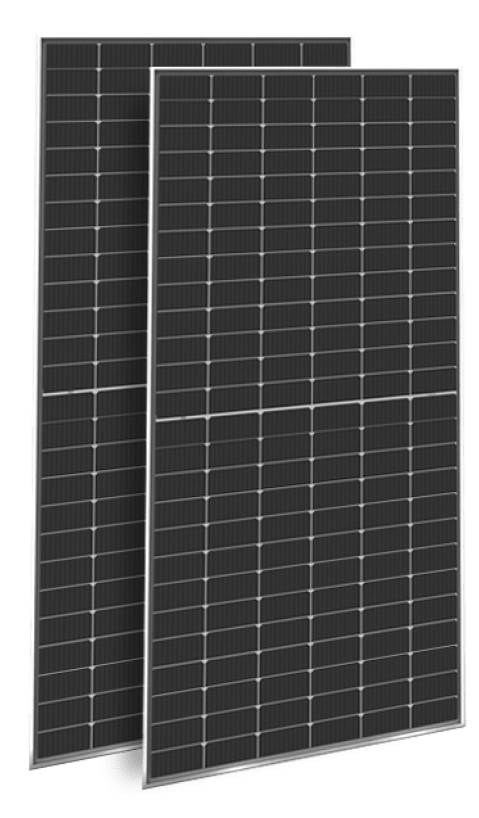
TOPCon solar cells are crafted using an industry-leading approach:
This type of awareness starts with understanding the different types of solar panels. For example, there are P-Type solar panels, and then there are N-Type solar panels. Simply put, the main difference between these two types is the number of electrons each contains.
Specifically, boron is the chemical mixed with the silicon wafers in a standard P-Type solar panel. Boron has one less electron than silicon, which makes the solar cell positively charged. On the other hand, an N-Type solar cell uses phosphorus
Each N TOPcon module is subject to rigorous testing, including 3X IEC Testing, which entails 100% IV measurements, HiPOT tests, and extensive EL and visual inspections to ensure only defect-free modules are delivered..

Better efficiency, greater reliability, and lower levelized cost of electricity (LCOE) are just a few examples of the continued successes that have been exciting solar developers and installers. And while most end users might not be as up-to-date on the details and specifications about how their energy
Mobiles are becoming streamlined and more advanced, it is worth touting these milestones and spreading the word. After all,and understand its benefits, the closer the world becomes to achieving a sustainable future.
By integrating N-Type technology into their 210mm Vertex designs, Trina has taken another leap forward in the solar industry, redefining what can be done to reach a more sustainable future. Solar solutions tailored for large-scale retail and office complexes to offset energy costs..
